What Finish Level Should You Choose for Modern Home Remodels?
April 5, 2026
Introduction
In older homes, drywall was something you painted and forgot. In modern remodels, drywall becomes part of the design. Open layouts, large windows, flat paint, and minimal trim all make wall surfaces more visible than they used to be.
That shift is why finish level matters. The drywall beneath the paint determines whether a room looks crisp or subtly uneven once light hits it. A wall that technically passes inspection can still look flawed in a sunlit living space.
Choosing a finish level is not about picking the “best” option everywhere. It is about matching surface quality to how each room will actually be seen.
How Modern Design Exposes Wall Surfaces
Modern homes amplify surface imperfections in three ways.
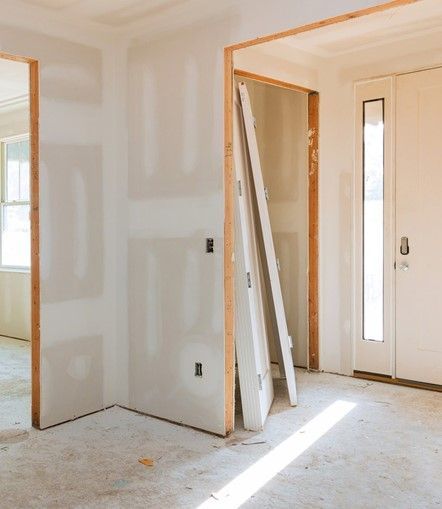
First, natural light now travels farther into the house. Large windows and open floor plans cast side light across long wall runs, creating shadows where seams and patches exist.
Second, texture has largely disappeared. Smooth walls replace heavy orange peel or knockdown. Without texture to hide variation, joints become easier to see.
Third, trim has become minimal. Thick baseboards and crown molding once distracted the eye. Today’s clean lines leave the wall surface fully exposed.
These changes do not make drywall worse. They make it visible.
The Two Finish Levels That Matter in Remodels
In most modern projects, the real decision comes down to two surface standards that affect how walls and ceilings read under light.
Level 4: Standard Interior Finish
Level 4 is the baseline for most painted interiors. Seams receive multiple coats, fasteners are concealed, and the surface is sanded smooth and ready for paint.
This level performs well in spaces where walls are viewed in segments and light is softer, such as:
- Bedrooms
- Offices
- Hallways
- Rooms with limited side lighting
- Areas where furniture breaks up long wall runs
In these environments, minor surface variation is rarely noticeable.
Level 5: Full Skim Surface
Level 5 adds a thin skim coat over the entire wall or ceiling. The purpose is to eliminate porosity differences and micro-shadows that appear under strong, angled light.
This level is most appropriate in spaces where surfaces are continuously visible, including:
- Living rooms with large windows
- Kitchens and dining areas
- Open-concept spaces
- Long, uninterrupted wall runs
- Ceilings exposed to natural light
Level 5 does not make a wall “better.” It makes it visually uniform in conditions that reveal everything.
A Room-by-Room Selection Logic
Use this sequence for each space in a remodel to determine which level fits best:
- Will the surface be smooth rather than textured?
- Does strong side light hit the wall or ceiling?
- Is the wall long and uninterrupted?
- Is this a focal area of the home?
- Will flat or satin paint be used?
If most answers are “yes,” the surface benefits from Level 5.
If most answers are “no,” Level 4 is usually sufficient.
This approach allows one home to use different finish levels strategically instead of defaulting to one everywhere.
How Finish Level Affects Cost
Higher finish levels do not use better drywall. They require more labor.
Level 5 adds:
- Full-surface skim coating
- Additional drying cycles
- More sanding passes
- Visual inspection under live lighting
The added cost is time, not material. In a modern remodel, that time prevents joint lines and shadowing that would otherwise appear after paint.
Choosing Level 5 only where it matters keeps the project efficient without sacrificing visual quality.
Common Planning Mistakes
Modern remodels often run into finish issues because of three avoidable planning errors.
First, treating finish as an afterthought. Finish level should be decided during design. Upgrading later means reworking painted surfaces.
Second, using one level everywhere. Applying Level 5 in utility spaces wastes budget. Using Level 4 in a sunlit great room often leads to visible seams.
Third, ignoring ceilings. Ceilings frequently need a higher standard than walls because light grazes them more directly.
Frequently Asked Questions
Is Level 5 always better than Level 4?
It is smoother under light, but unnecessary in many rooms.
Can a Level 4 wall look perfect?
Yes, in spaces with softer lighting and broken sight lines.
Does paint type matter?
Yes. Flat and satin paints reveal more surface variation than semi-gloss.
Can finish be upgraded later?
Yes, but it requires re-skimming and repainting, which costs more.
Do modern homes always need Level 5?
No. They need it selectively, where light and layout demand it.
Conclusion
Drywall finish level shapes how a remodel feels long after the work is done. Modern homes expose surfaces in ways older designs never did. Light travels farther. Walls stay visible. Texture disappears.
The right choice is not using the highest level everywhere. It is matching surface quality to how each room will be seen.
When finish level aligns with design, walls disappear into the space instead of drawing attention to themselves.
For homeowners in Easthampton and the surrounding area, Frenchie Drywall helps select and execute finish levels that fit each room’s role in a modern remodel.