Why Do Small Drywall Repairs Sometimes Cost More Than Expected?
January 2, 2026
Introduction
It usually starts with something that feels harmless. A doorknob punched a hole in the wall. A thin crack runs along the ceiling line. A plumber cut a small access panel behind the sink. You look at it and think, “This should be quick and cheap.”
Then the estimate arrives—and it feels high for something so small.
Homeowners across Easthampton and the surrounding Pioneer Valley ask the same question: Why does a small drywall repair sometimes cost more than expected?
The answer is that drywall work is rarely about the size of the damage alone. What you’re paying for is not just patching material. You’re paying for access, preparation, drying time, blending, finish quality, and the skill required to make the repair disappear. A professional drywall contractor is not aiming for “good enough.” The goal is to leave a wall that looks untouched.
This guide breaks down what really goes into small drywall repairs, why they carry hidden labor, and how to tell when a “tiny fix” is actually a bigger decision.
What “Small Drywall Repair” Really Includes
A “small” repair usually refers to one of these:
- Nail pops or screw dimples
- Cracks along seams or corners
- Holes from door handles or wall anchors
- Water stains after a minor leak
- Utility access cuts from plumbing or electrical work
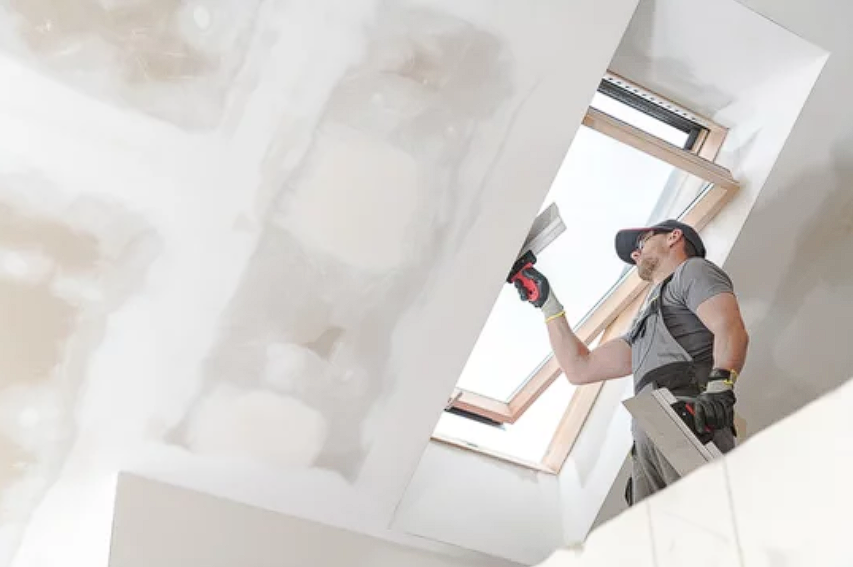
But drywall repair is not like placing a sticker over damage. A professional repair involves a sequence of steps, and each one takes time.
A proper repair typically includes:
- Protecting floors, trim, and nearby surfaces
- Cutting the damaged area into a clean, workable shape
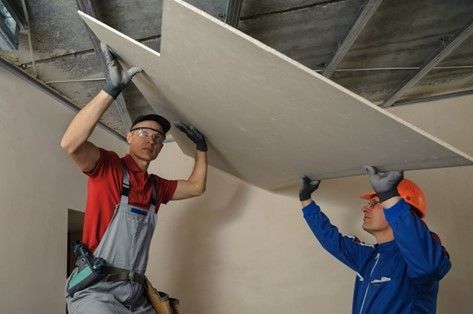
- Installing backing or new drywall if needed
- Taping seams and reinforcing weak edges
- Applying multiple coats of joint compound
- Allowing each layer to dry fully
- Sanding between coats
- Matching the surrounding texture
- Priming and blending paint
Even a patch the size of a hand can require two or three visits to achieve a seamless finish. The labor does not shrink just because the hole is small.
The Hidden Cost Drivers Behind “Tiny” Repairs
Most of the cost comes from time, not materials.
Here are the real reasons small repairs often cost more than expected:
Minimum Job Time
Every professional visit has a baseline. Travel, setup, protection, and cleanup happen whether the patch is one inch or one foot. A contractor cannot skip those steps without sacrificing quality.
Multiple Drying Cycles
Joint compound must cure between coats. A clean repair often requires:
- A base fill
- A leveling coat
- A final skim coat
Each layer adds time and may require a return visit. Rushing this process leads to cracking, sinking, or visible edges.
Texture Matching
Many Easthampton homes have orange peel, knockdown, or custom finishes. Matching texture is a skill. Getting it wrong leaves a visible “patch” that stands out in certain light.
Texture blending often takes longer than the repair itself.
Paint Blending
Even when you have the original paint, walls fade and age. Contractors frequently feather paint across larger sections so the repair does not appear as a square or halo.
That blending adds labor beyond the damaged area.
Access and Obstructions
Repairs near ceilings, stairwells, corners, cabinets, or plumbing lines require more setup and precision. What looks small can be physically demanding to reach.
When a Small Repair Becomes a Bigger Decision
Some drywall problems look cosmetic on the surface but point to issues underneath. This is where homeowners often feel surprised by pricing—because the contractor is not just fixing what you see, but addressing what caused it.
Here are a few common examples:
- Repeating cracks often signal framing movement. Simply filling them will not hold. The area needs reinforcement so the crack does not reappear.
- Water stains usually mean there is still moisture in the wall or ceiling. Before patching, the area must be dried and checked to prevent mold or future damage.
- Soft drywall can indicate rot or mold. That material cannot be “fixed” with compound—it has to be removed and replaced.
- Sagging ceilings point to structural stress or fastener failure. These repairs often require added support, not just surface work.
- Bubbling seams are usually the result of a poor original installation. Fixing them properly often means resurfacing a wider area so the seam blends naturally.
In situations like these, a contractor is not simply covering a flaw. They are stabilizing the wall or ceiling so the repair lasts. That added scope is what turns a “small” repair into a more involved—and more valuable—service.
How to Decide If a Small Repair Is Worth It
Before approving a repair, it helps to think beyond the hole itself.
Use this simple guide:
- Identify the cause
Is the damage from impact, moisture, or movement? - Check if it’s isolated
Is this a one-time spot, or the start of a pattern? - Consider visibility
Is it in a main living area or a hidden corner? - Think about future plans
Are you repainting or remodeling soon? - Ask about blending scope
Will the repair require repainting a full wall or ceiling section?
Sometimes a slightly larger project—like resurfacing one wall—creates a cleaner result for only a modest increase in cost.
The Real Value of Professional Small Repairs
The goal of professional drywall work is invisibility. A good repair should:
- Disappear under normal lighting
- Blend naturally into surrounding texture
- Stay stable over time
- Not re-crack or sink
That standard is what you are paying for—not just filler in a hole.
In Easthampton homes, especially older properties with layered paint and unique textures, achieving that level of finish takes experience.
Frequently Asked Questions
Why does a one-inch hole cost so much to fix?
Because the process is the same as a larger patch: protection, cutting, filling, drying, sanding, texture matching, and paint blending. The labor does not shrink with the hole.
Can I just patch it myself and save money?
You can, but most DIY patches fail at texture and paint blending. They remain visible under light or after repainting.
Why does my contractor mention return visits?
Drywall compound must cure between coats. Rushing it causes cracks or sinking. Quality requires time.
Is it cheaper to combine multiple small repairs?
Yes. Bundling repairs reduces setup and travel costs and often lowers the per-spot price.
Why does ceiling work cost more than wall work?
Ceilings require overhead labor, more protection, and perfect blending because flaws are more visible under light.
Conclusion
Small drywall damage feels like it should come with a small price tag. In reality, what you are paying for is the process required to make the repair vanish—not just exist.
Between setup, drying cycles, texture blending, and paint matching, even minor repairs demand skilled labor and time. When done right, the wall looks untouched. When rushed, it stays visible forever.
If you are dealing with cracks, holes, or water damage in your home, a professional evaluation can help you understand whether a small repair is truly small—or part of a bigger picture.
For homeowners in Easthampton and the surrounding area, Frenchie Drywall provides professional drywall repair, finishing, and surface restoration designed to leave your walls looking like nothing ever happened.